

Plunge Pool Maintenance Guide
Get a tailored plunge pool maintenance checklist! Input pool type and usage for expert tips to keep your pool pristine. Try it free now!
Last Updated:
Oct 22, 2025
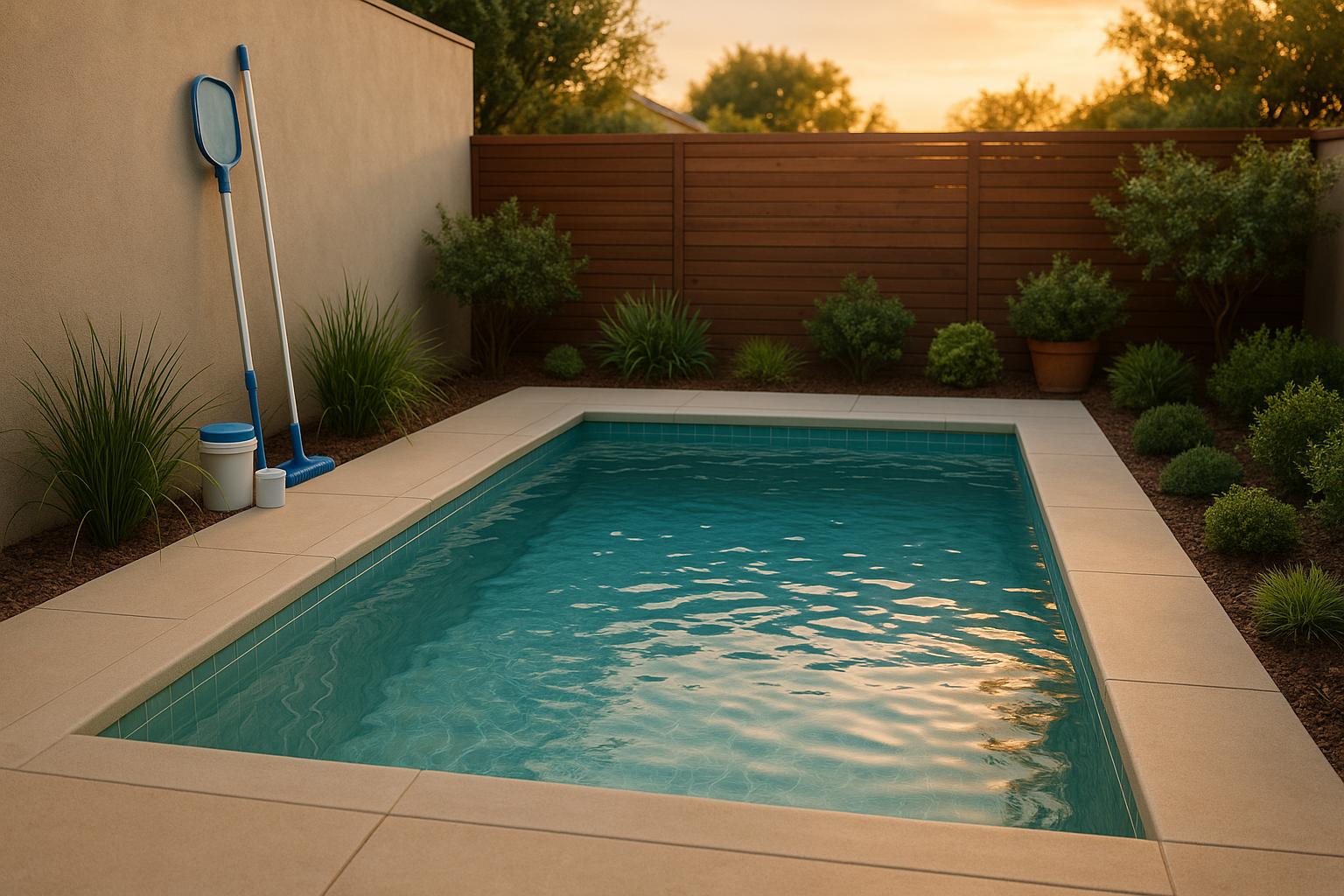
Keep Your Plunge Pool Pristine with a Custom Care Plan
Owning a plunge pool is a delight, whether it’s a backyard oasis or an indoor retreat. But without proper upkeep, that crystal-clear water can turn murky fast. That’s where a tailored maintenance guide comes in handy. By factoring in your pool’s material, location, and how often you use it, you can stay ahead of issues like algae buildup or equipment wear.
Why Personalised Pool Care Matters
Every pool is unique. A concrete setup outdoors faces different challenges than a fiberglass one indoors—think weather exposure versus humidity. Usage plays a role too; daily swimmers mean more frequent water testing, while occasional users can ease up a bit. A custom schedule ensures you’re not overdoing it or neglecting key tasks like filter cleaning or inspecting for damage. Plus, it saves you from costly repairs down the track.
Start Simple, Stay Consistent
Don’t let pool care overwhelm you. With a personalised checklist, you’ve got clear steps—whether it’s weekly pH checks or quarterly inspections. Stick to the plan, follow manufacturer advice for chemicals, and your small pool will stay a refreshing haven year-round.
FAQs
How often should I check my plunge pool’s water pH?
It really depends on how often you use your pool. If you’re dipping in daily, aim to test the pH every week to keep things balanced—grab a simple test kit from your local pool shop. For weekly or occasional use, checking every two weeks should do the trick. Just remember, pH can drift with weather or bather load, especially in outdoor pools, so stay on top of it!
Do indoor and outdoor plunge pools need different care?
Yep, they sure do! Outdoor pools cop more debris, weather exposure, and UV damage, so you’ll need to clean filters and inspect for wear more often—think monthly for filters and quarterly for cracks. Indoor pools have it easier with less dirt, but humidity can breed algae or mould, so ventilation and regular water checks are key. Tailor your approach with our tool, and you’re set.
Can I handle pool chemical balancing myself?
You can manage basic stuff like pH and chlorine with test kits and a bit of know-how—our checklist gives you the steps. But if you’re unsure or the levels are way off, it’s worth chatting to a pool pro or following your manufacturer’s guidelines. Better safe than sorry when it comes to water chemistry; a small mistake can irritate skin or damage your pool!